
 33 Ubi Ave 3 #05-57 Singapore 408868
 Menara MBMR, 1 Jalan Syed Putra , 3-03a, 58000 KL , Malaysia











Trusted platform, secured by



© 2026 Antbuildz.com Pte Ltd All Rights Reserved
© 2026 Antbuildz.com Pte Ltd All Rights Reserved

Antbuildz Editorial Team
07 April, 2026


.png)

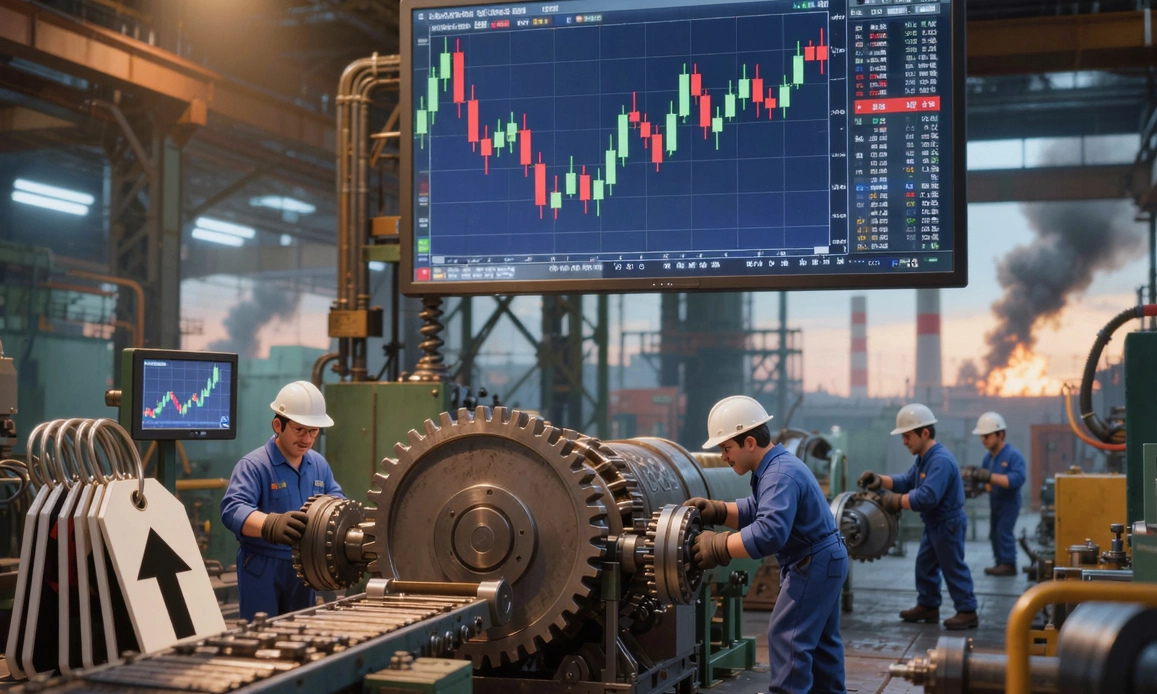
The world of 2026 has been upended by Operation Epic Fury, the U.S.-led campaign launched in late February that has transformed the Persian Gulf into a high-intensity combat zone. With the Strait of Hormuz effectively closed to commercial traffic and Iran pivoting to an "existential struggle" strategy, the global energy market is facing its greatest shock since the 1970s. For the Singapore, Malaysia and regional construction sector, this isn't a distant war; it is a domestic economic reality.
As of April 2026, equipment rental prices have surged 25%, and with no immediate diplomatic off-ramp in sight, the industry must prepare for a "long-war" scenario that could stretch through the remainder of the year.
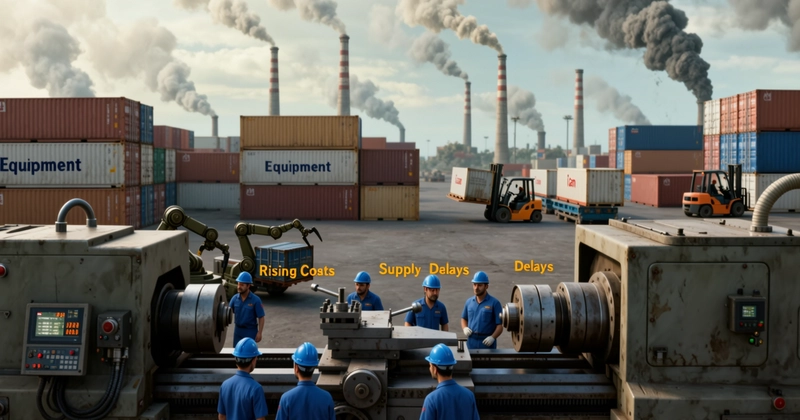
The global economy in 2026 is defined by a "perfect storm" of logistical bottlenecks and soaring energy premiums that have fundamentally redefined project overheads.
As global manufacturing centers face unprecedented strain, the availability of high-tier machinery has shifted from a matter of procurement to a matter of strategic survival.
In response to these external pressures, the rental industry is undergoing a digital and operational metamorphosis to protect both provider margins and contractor timelines.
The Death of Static Pricing: Rental houses have pivoted to Dynamic Pricing Models, where rates are adjusted weekly based on real-time diesel indices and fleet utilization levels.
The Green Catalyst: High diesel costs have finally pushed Electric & Hybrid Equipment to price parity. Contractors are now calculating the Total Operating Cost (TOC) rather than just the daily rental rate.
| Feature | Diesel (2026 Prices) | Electric / Hybrid |
|---|---|---|
| Rental Base Rate | Standard | Premium (+15%) |
| Operating Cost/Hr | Record High | Low (Stable Utility Rates) |
| Value Proposition | High Power / Volatile | Urban / Predictable |
Singapore’s unique position as a global trade hub makes its domestic construction sector a "canary in the coal mine" for the effects of geopolitical volatility.
Navigating the 2026 landscape requires a transition from reactive purchasing to a proactive, data-driven approach to fleet management.
Understanding the nuances of this crisis is essential for clear communication between contractors, clients, and rental partners.
Q: Why are earth-moving machines specifically more expensive?
A: These units have the highest "Fuel-to-Output" ratio. When diesel jumps 35%, these units are hit first with surcharges.
Q: Should I rent or buy in this climate?
A: Renting remains safer. Owning equipment in 2026 carries the risk of high maintenance costs and parts scarcity that individual contractors are ill-equipped to manage.
The Iran conflict has proven that the construction industry can no longer remain analog. Success in 2026 is defined by data-driven procurement, fuel-efficiency, and strategic partnerships.
Whether you're in equipment rental, sales, or spare parts, Antbuildz empowers your business with a fully customizable online store — built to elevate your brand, engage customers, and accelerate growth. Discover the Antbuildz Web Store here!
You can also access Southeast Asia’s largest B2B equipment marketplace at Antbuildz.com, where thousands of machines are just a few clicks away. Search, compare, rent, or buy — faster and smarter. Rent and Buy your equipment today!
Are you in the business of equipment, tools, or spare parts? The industry is evolving rapidly — and those who don’t adapt risk being left behind. Gain insights into the digital shift in the equipment industry — download our FREE eBook here!
Any Questions?
WhatsApp or Call Us for a FREE consultation on the most suitable equipment for your site. We’re more than happy to assist!

Related Articles
33 Ubi Ave 3 #05-57 Singapore 408868Menara MBMR, 1 Jalan Syed Putra , 3-03a, 58000 KL , MalaysiaTrusted platform, secured by
© 2026 Antbuildz.com Pte Ltd All Rights Reserved
© 2026 Antbuildz.com Pte Ltd All Rights Reserved