










 33 Ubi Ave 3 #05-57 Singapore 408868
 Menara MBMR, 1 Jalan Syed Putra , 3-03a, 58000 KL , Malaysia











值得信賴的平台,由...保護



© 2026 Antbuildz.com Pte Ltd 版權所有
© 2026 Antbuildz.com Pte Ltd 版權所有

類別


地點
選擇日期
選擇日期
尋找長期租賃?
在這裡比較並確保最具競爭力的價格,為期6個月,1年,甚至2年!

聯絡我們
如果您的工地位於受限區域或有特殊項目需求,請聯繫我們的熱線。我們的團隊將協助您選擇最適合滿足您工地特定需求的設備。
如果您正在尋找超過6個月的長期租賃,請聯繫我們以獲得更好的價格。
TRUSTED PLATFORM POWERED BY

Official partner by Antbuildz.com
您的設備租賃將由Antbuildz設備租賃保護保險承保,最高可達S$30,000。


4.0/5
合作夥伴評級
星級評價是為了反映所有者的設備質量,故障響應時間,送貨/收貨準時性和溝通迅速性。

Singapore Mainland
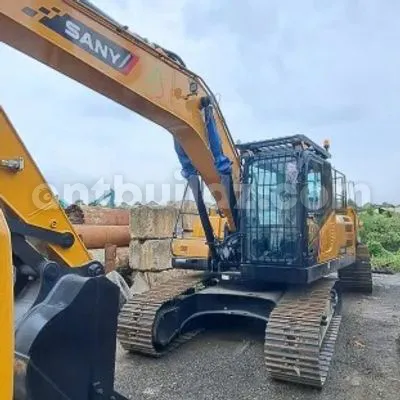
Pull Capacity : 0 Ton
每日
SGD1,000
每週
SGD3,000
每月
SGD8,000
雙向運送
由於距離和其他條件的變化,送貨價格可能會有所不同
SGD 800
SGD7,600
/M
SGD8,000
租金價格 (不含稅)

4.0/5
合作夥伴評級
星級評價是為了反映所有者的設備質量,故障響應時間,送貨/收貨準時性和溝通迅速性。
Singapore
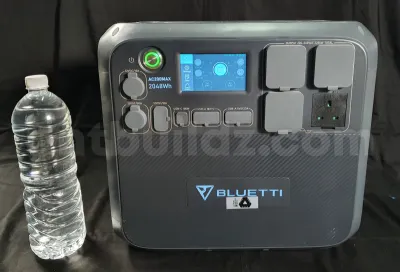
Pull Capacity : 5 Ton
每日
SGD150
每週
SGD700
每月
SGD2,000
雙向運送
由於距離和其他條件的變化,送貨價格可能會有所不同
SGD 300
SGD1,900
/M
SGD2,000
租金價格 (不含稅)
4.0/5
合作夥伴評級
星級評價是為了反映所有者的設備質量,故障響應時間,送貨/收貨準時性和溝通迅速性。
E-0222-1016
Singapore
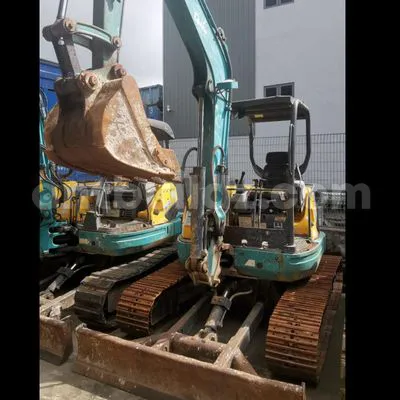
Pull Capacity : 5 Ton
每日
SGD150
每週
SGD700
每月
SGD2,000
雙向運送
由於距離和其他條件的變化,送貨價格可能會有所不同
SGD 300
SGD1,900
/M
SGD2,000
租金價格 (不含稅)
4.0/5
合作夥伴評級
星級評價是為了反映所有者的設備質量,故障響應時間,送貨/收貨準時性和溝通迅速性。
E-0222-1031
Singapore
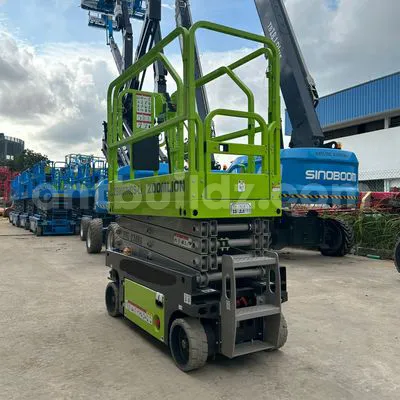
Pull Capacity : 2.5 Ton
每日
SGD100
每週
SGD500
每月
SGD1,800
雙向運送
由於距離和其他條件的變化,送貨價格可能會有所不同
SGD 300
SGD1,710
/M
SGD1,800
租金價格 (不含稅)
4.0/5
合作夥伴評級
星級評價是為了反映所有者的設備質量,故障響應時間,送貨/收貨準時性和溝通迅速性。
Singapore
Pull Capacity : 10 Ton
每日
SGD200
每週
SGD1,000
每月
SGD3,000
雙向運送
由於距離和其他條件的變化,送貨價格可能會有所不同
SGD 300
SGD2,850
/M
SGD3,000
租金價格 (不含稅)
4.0/5
合作夥伴評級
星級評價是為了反映所有者的設備質量,故障響應時間,送貨/收貨準時性和溝通迅速性。
E-0222-1032
Singapore
Pull Capacity : 4.5 Ton
每日
SGD120
每週
SGD500
每月
SGD1,500
雙向運送
由於距離和其他條件的變化,送貨價格可能會有所不同
SGD 300
SGD1,425
/M
SGD1,500
租金價格 (不含稅)
探索更多物品!
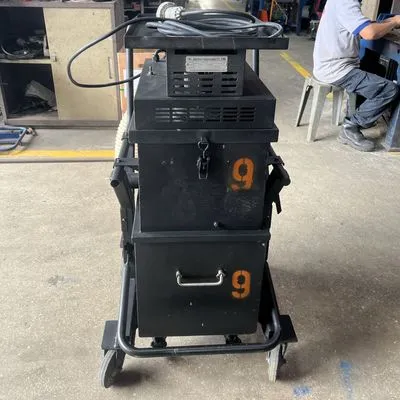
關於 Winch :
A winch is a mechanical device used to pull, lift, or tow heavy loads. It consists of a drum, cable (or rope), and a motor or hand-crank that winds or unwinds the rope to move objects. Winches are commonly used in construction, automotive recovery, marine, and industrial applications. They provide a reliable way to handle heavy-duty tasks such as pulling vehicles, lifting equipment, or securing loads. Common Types of Winches:
Renting a winch in Singapore is essential for businesses and contractors who need reliable lifting and pulling equipment for construction, industrial, and logistics applications. A winch provides powerful mechanical advantage to move heavy loads safely and efficiently, making it indispensable for projects involving material handling and rigging.
Benefits of renting a winch in Singapore:
Renting a winch ensures your project runs smoothly without equipment downtime or capital expenditure.
When selecting a winch rental in Singapore,
Consider the following:
Proper training and safety gear are crucial when operating a winch.
33 Ubi Ave 3 #05-57 Singapore 408868Menara MBMR, 1 Jalan Syed Putra , 3-03a, 58000 KL , Malaysia值得信賴的平台,由...保護
© 2026 Antbuildz.com Pte Ltd 版權所有
© 2026 Antbuildz.com Pte Ltd 版權所有