







 33 Ubi Ave 3 #05-57 Singapore 408868
 Menara MBMR, 1 Jalan Syed Putra , 3-03a, 58000 KL , Malaysia











Trusted platform, secured by



© 2026 Antbuildz.com Pte Ltd All Rights Reserved
© 2026 Antbuildz.com Pte Ltd All Rights Reserved

Category


Location
Select Date
Select Date
Looking for a Long-Term Rental?
Compare and secure the most competitive rates for 6 months, 1 year, or even 2 years here!

CONTACT US
If your worksite is located in a restricted area or has special project requirements, please contact our hotline. Our team will assist you in selecting the most suitable equipment that meets your site’s specific needs.
If you are looking for long term rental more than 6 months, contact us for better rate.
TRUSTED PLATFORM POWERED BY

Official partner by Antbuildz.com
Your equipment rental will be covered by Antbuildz Equipment Rental Protection Insurance Up to S$30,000.
Sort by:
Sort by:


4.0/5
Partner's Rating
Star ratings are provided to reflect the owner’s equipment quality, breakdown respond time, delivery/collection punctuality and communication promptness.

Singapore Mainland
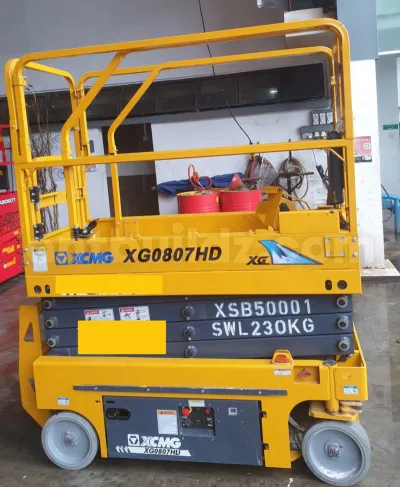
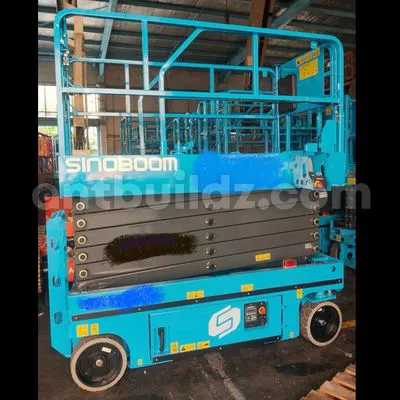
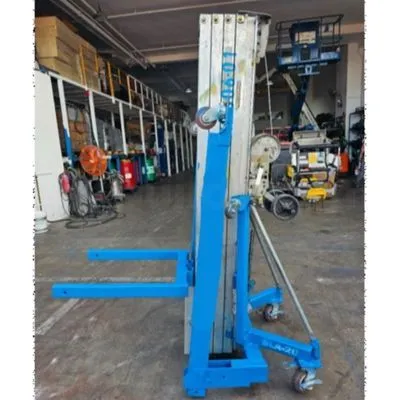
Platform Capacity : 250 KG
Daily
SGD1,250
Weekly
SGD1,250
Monthly
SGD1,250
Two-way Delivery
Our standard delivery and pickup service cover distances within 25km. For deliveries beyond this range or to any specialized locations such as military camp, airport, island or any location that require speical permit and arrangment, additional charges may apply.Self-pickup indicates that the equipment is only available for direct collection by the user. However, should you require delivery assistance, please don't hesitate to inform our Antbuildz team.If delivery price is indicated as zero cost, it signifies that our rental partner is covering the delivery expenses for your equipment rental.
SGD 650
SGD1,250
/ M
Rental Price (Tax Exclusive)

4.0/5
Partner's Rating
Star ratings are provided to reflect the owner’s equipment quality, breakdown respond time, delivery/collection punctuality and communication promptness.
Singapore Mainland
Platform Capacity : 250 KG
Daily
SGD1,500
Weekly
SGD1,500
Monthly
SGD1,500
Two-way Delivery
Our standard delivery and pickup service cover distances within 25km. For deliveries beyond this range or to any specialized locations such as military camp, airport, island or any location that require speical permit and arrangment, additional charges may apply.Self-pickup indicates that the equipment is only available for direct collection by the user. However, should you require delivery assistance, please don't hesitate to inform our Antbuildz team.If delivery price is indicated as zero cost, it signifies that our rental partner is covering the delivery expenses for your equipment rental.
SGD 850
SGD1,500
/ M
Rental Price (Tax Exclusive)
Explore More Items!
About Suspended Scaffold (Gondola) - Counter Weight System :
A suspended scaffold, also known as a gondola system, is an elevated work platform that hangs from the roof or an overhead structure and is used to perform tasks on building exteriors. The counterweight system is a critical component that balances the scaffold, preventing it from tipping over or collapsing. It uses steel or concrete counterweights placed on the roof to securely anchor the suspension rig.
This system is commonly used for window cleaning, facade maintenance, painting, installation, and repairs on high-rise buildings and tall structures. Suspended scaffolds are adjustable in height via electric or manual hoists, allowing workers to move safely up and down the structure.
Whether to rent or buy a suspended scaffold system depends on your operational needs, frequency of use, and project scale:
Both rental and purchase options must comply with local work-at-height regulations and safety standards, ensuring a secure and efficient work environment.
Selecting the right suspended scaffold with a counterweight system involves considering the building layout, job requirements, and safety compliance. Here’s what to evaluate:
33 Ubi Ave 3 #05-57 Singapore 408868Menara MBMR, 1 Jalan Syed Putra , 3-03a, 58000 KL , MalaysiaTrusted platform, secured by
© 2026 Antbuildz.com Pte Ltd All Rights Reserved
© 2026 Antbuildz.com Pte Ltd All Rights Reserved