







 33 Ubi Ave 3 #05-57 Singapore 408868
 Menara MBMR, 1 Jalan Syed Putra , 3-03a, 58000 KL , Malaysia











信頼できるプラットフォーム、保護されています



© 2026 Antbuildz.com Pte Ltd All Rights Reserved
© 2026 Antbuildz.com Pte Ltd All Rights Reserved

カテゴリ


場所
日付を選択
日付を選択
長期レンタルをお探しですか?
ここで6ヶ月、1年、または2年の最も競争力のある料金を比較し、確保します!

お問い合わせ
作業現場が制限区域にあるか、特別なプロジェクト要件がある場合は、弊社ホットラインまでお問い合わせください。弊社チームが、お客様の現場の特定のニーズに合った最適な機器を選択するのをお手伝いいたします。
6ヶ月以上の長期レンタルをお探しの場合は、より良いレートのために私たちに連絡してください。
TRUSTED PLATFORM POWERED BY

Official partner by Antbuildz.com
あなたの機器レンタルは、Antbuildz機器レンタル保護保険によってS$30,000までカバーされます。


3.5/5
パートナーの評価
星の評価は、オーナーの機器の品質、故障対応時間、配送/収集の時間厳守、コミュニケーションの迅速さを反映するために提供されています。

Singapore Mainland
日々
SGD90
週次
SGD385
月次
SGD1,155
往復配送
配送価格は距離やその他の条件により変動する可能性があります
SGD 75
SGD1,155
/ M
レンタル価格 (税抜き)

3.5/5
パートナーの評価
星の評価は、オーナーの機器の品質、故障対応時間、配送/収集の時間厳守、コミュニケーションの迅速さを反映するために提供されています。
Singapore Mainland
日々
SGD80
週次
SGD345
月次
SGD1,035
往復配送
配送価格は距離やその他の条件により変動する可能性があります
SGD 75
SGD1,035
/ M
レンタル価格 (税抜き)
4.0/5
パートナーの評価
星の評価は、オーナーの機器の品質、故障対応時間、配送/収集の時間厳守、コミュニケーションの迅速さを反映するために提供されています。
Singapore Mainland
日々
SGD120
週次
SGD300
月次
SGD500
往復配送
配送価格は距離やその他の条件により変動する可能性があります
SGD 30
SGD500
/ M
レンタル価格 (税抜き)
4.0/5
パートナーの評価
星の評価は、オーナーの機器の品質、故障対応時間、配送/収集の時間厳守、コミュニケーションの迅速さを反映するために提供されています。
Singapore Mainland
日々
SGD120
週次
SGD300
月次
SGD500
往復配送
配送価格は距離やその他の条件により変動する可能性があります
SGD 30
SGD500
/ M
レンタル価格 (税抜き)
4.0/5
パートナーの評価
星の評価は、オーナーの機器の品質、故障対応時間、配送/収集の時間厳守、コミュニケーションの迅速さを反映するために提供されています。
Singapore Mainland
日々
SGD120
週次
SGD500
月次
SGD1,500
往復配送
配送価格は距離やその他の条件により変動する可能性があります
SGD 30
SGD1,500
/ M
レンタル価格 (税抜き)
4.0/5
パートナーの評価
星の評価は、オーナーの機器の品質、故障対応時間、配送/収集の時間厳守、コミュニケーションの迅速さを反映するために提供されています。
Singapore Mainland
日々
SGD120
週次
SGD300
月次
SGD500
往復配送
配送価格は距離やその他の条件により変動する可能性があります
SGD 30
SGD500
/ M
レンタル価格 (税抜き)
4.0/5
パートナーの評価
星の評価は、オーナーの機器の品質、故障対応時間、配送/収集の時間厳守、コミュニケーションの迅速さを反映するために提供されています。
Singapore Mainland
日々
SGD120
週次
SGD300
月次
SGD500
往復配送
配送価格は距離やその他の条件により変動する可能性があります
SGD 30
SGD500
/ M
レンタル価格 (税抜き)
4.0/5
パートナーの評価
星の評価は、オーナーの機器の品質、故障対応時間、配送/収集の時間厳守、コミュニケーションの迅速さを反映するために提供されています。
Singapore Mainland
日々
SGD120
週次
SGD300
月次
SGD500
往復配送
配送価格は距離やその他の条件により変動する可能性があります
SGD 30
SGD500
/ M
レンタル価格 (税抜き)
4.0/5
パートナーの評価
星の評価は、オーナーの機器の品質、故障対応時間、配送/収集の時間厳守、コミュニケーションの迅速さを反映するために提供されています。
Singapore Mainland
日々
SGD120
週次
SGD300
月次
SGD500
往復配送
配送価格は距離やその他の条件により変動する可能性があります
SGD 30
SGD500
/ M
レンタル価格 (税抜き)
4.0/5
パートナーの評価
星の評価は、オーナーの機器の品質、故障対応時間、配送/収集の時間厳守、コミュニケーションの迅速さを反映するために提供されています。
Singapore Mainland
日々
SGD120
週次
SGD300
月次
SGD500
往復配送
配送価格は距離やその他の条件により変動する可能性があります
SGD 30
SGD500
/ M
レンタル価格 (税抜き)
4.0/5
パートナーの評価
星の評価は、オーナーの機器の品質、故障対応時間、配送/収集の時間厳守、コミュニケーションの迅速さを反映するために提供されています。
Singapore Mainland
日々
SGD120
週次
SGD300
月次
SGD500
往復配送
配送価格は距離やその他の条件により変動する可能性があります
SGD 30
SGD500
/ M
レンタル価格 (税抜き)
4.0/5
パートナーの評価
星の評価は、オーナーの機器の品質、故障対応時間、配送/収集の時間厳守、コミュニケーションの迅速さを反映するために提供されています。
Singapore Mainland
日々
SGD120
週次
SGD300
月次
SGD500
往復配送
配送価格は距離やその他の条件により変動する可能性があります
SGD 30
SGD500
/ M
レンタル価格 (税抜き)
4.0/5
パートナーの評価
星の評価は、オーナーの機器の品質、故障対応時間、配送/収集の時間厳守、コミュニケーションの迅速さを反映するために提供されています。
Singapore Mainland
日々
SGD120
週次
SGD300
月次
SGD500
往復配送
配送価格は距離やその他の条件により変動する可能性があります
SGD 30
SGD500
/ M
レンタル価格 (税抜き)
4.0/5
パートナーの評価
星の評価は、オーナーの機器の品質、故障対応時間、配送/収集の時間厳守、コミュニケーションの迅速さを反映するために提供されています。
Singapore Mainland
日々
SGD120
週次
SGD300
月次
SGD500
往復配送
配送価格は距離やその他の条件により変動する可能性があります
SGD 30
SGD500
/ M
レンタル価格 (税抜き)
4.0/5
パートナーの評価
星の評価は、オーナーの機器の品質、故障対応時間、配送/収集の時間厳守、コミュニケーションの迅速さを反映するために提供されています。
Singapore Mainland
日々
SGD50
週次
SGD300
月次
SGD500
往復配送
配送価格は距離やその他の条件により変動する可能性があります
SGD 30
SGD500
/ M
レンタル価格 (税抜き)
1
2
3
他のアイテムを探す!
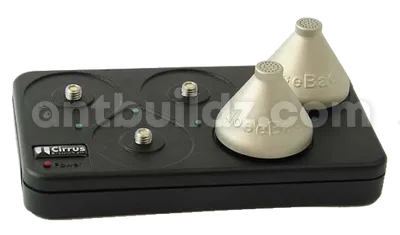
約 Sound Level Meter :
A Sound Level Meter, also known as a decibel meter or noise level meter, is a precision instrument used to measure sound pressure levels (SPL) in decibels (dB). It’s an essential tool for monitoring environmental noise, workplace sound levels, and industrial acoustics.
Sound Level Meters are widely used in industries like construction, manufacturing, music production, and environmental health and safety (EHS) to ensure compliance with noise regulations and protect against hearing loss.
Modern digital sound level meters feature advanced capabilities such as real-time sound analysis, data logging, and frequency weighting (A, C, or Z scales) to mimic human hearing. These tools help identify problem areas and ensure safe sound exposure in various environments.
Renting a Sound Level Meter in Singapore is a cost-effective and practical solution for professionals who need to measure and monitor noise levels for environmental compliance, workplace safety, or construction projects. With Singapore’s strict NEA (National Environment Agency) regulations on noise pollution, accurate and calibrated sound measurement tools are essential.
Whether you're conducting noise impact assessments, workplace noise evaluations under WSH (Workplace Safety and Health) guidelines, or monitoring construction site boundaries, renting a sound level meter gives you access to advanced equipment without the high upfront cost.
Benefits of renting a sound level meter in Singapore include:
Choosing the right Sound Level Meter in Singapore depends on your application, measurement range, and regulatory requirements.
Key factors to consider:
Renting a sound level meter from a reliable provider in Singapore ensures you stay compliant, accurate, and efficient—without the burden of ownership or maintenance.
33 Ubi Ave 3 #05-57 Singapore 408868Menara MBMR, 1 Jalan Syed Putra , 3-03a, 58000 KL , Malaysia信頼できるプラットフォーム、保護されています
© 2026 Antbuildz.com Pte Ltd All Rights Reserved
© 2026 Antbuildz.com Pte Ltd All Rights Reserved