







 33 Ubi Ave 3 #05-57 Singapore 408868
 Menara MBMR, 1 Jalan Syed Putra , 3-03a, 58000 KL , Malaysia











Nền tảng đáng tin cậy, được bảo vệ bởi



© 2026 Antbuildz.com Pte Ltd Đã đăng ký Bản quyền
© 2026 Antbuildz.com Pte Ltd Đã đăng ký Bản quyền

Danh mục


Vị trí
Chọn Ngày
Chọn Ngày
Đang tìm kiếm Cho thuê Dài hạn?
So sánh và đảm bảo mức giá cạnh tranh nhất trong 6 tháng, 1 năm hoặc thậm chí 2 năm tại đây!

LIÊN HỆ
Nếu công trường của bạn nằm trong khu vực hạn chế hoặc có yêu cầu dự án đặc biệt, vui lòng liên hệ với đường dây nóng của chúng tôi. Đội ngũ của chúng tôi sẽ hỗ trợ bạn chọn lựa thiết bị phù hợp nhất để đáp ứng nhu cầu cụ thể của công trường của bạn.
Nếu bạn đang tìm kiếm thuê dài hạn hơn 6 tháng, hãy liên hệ với chúng tôi để có giá tốt hơn.
TRUSTED PLATFORM POWERED BY

Official partner by Antbuildz.com
Việc thuê thiết bị của bạn sẽ được bảo hiểm bảo vệ thuê thiết bị của Antbuildz lên đến S$30,000.


3.9/5
Đánh giá của Đối tác
Đánh giá sao được cung cấp để phản ánh chất lượng thiết bị của chủ sở hữu, thời gian phản hồi sự cố, tính đúng giờ trong giao hàng/lấy hàng và tính kịp thời trong giao tiếp.

Singapore Mainland
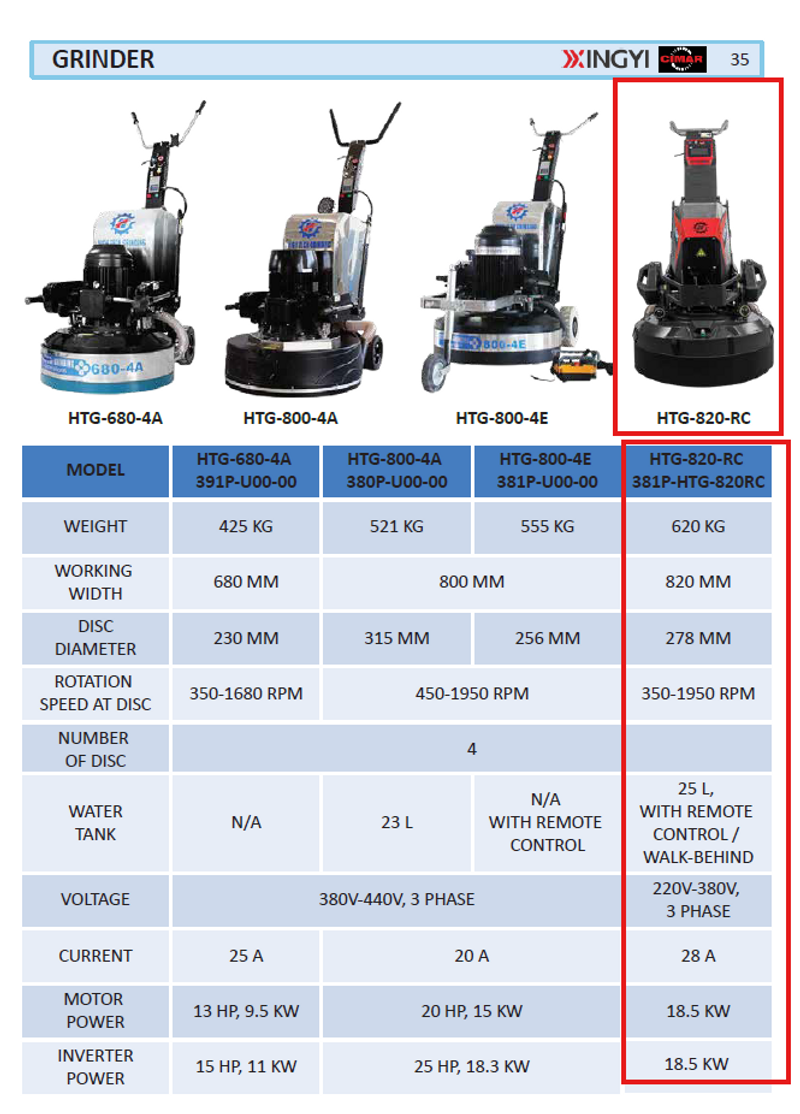
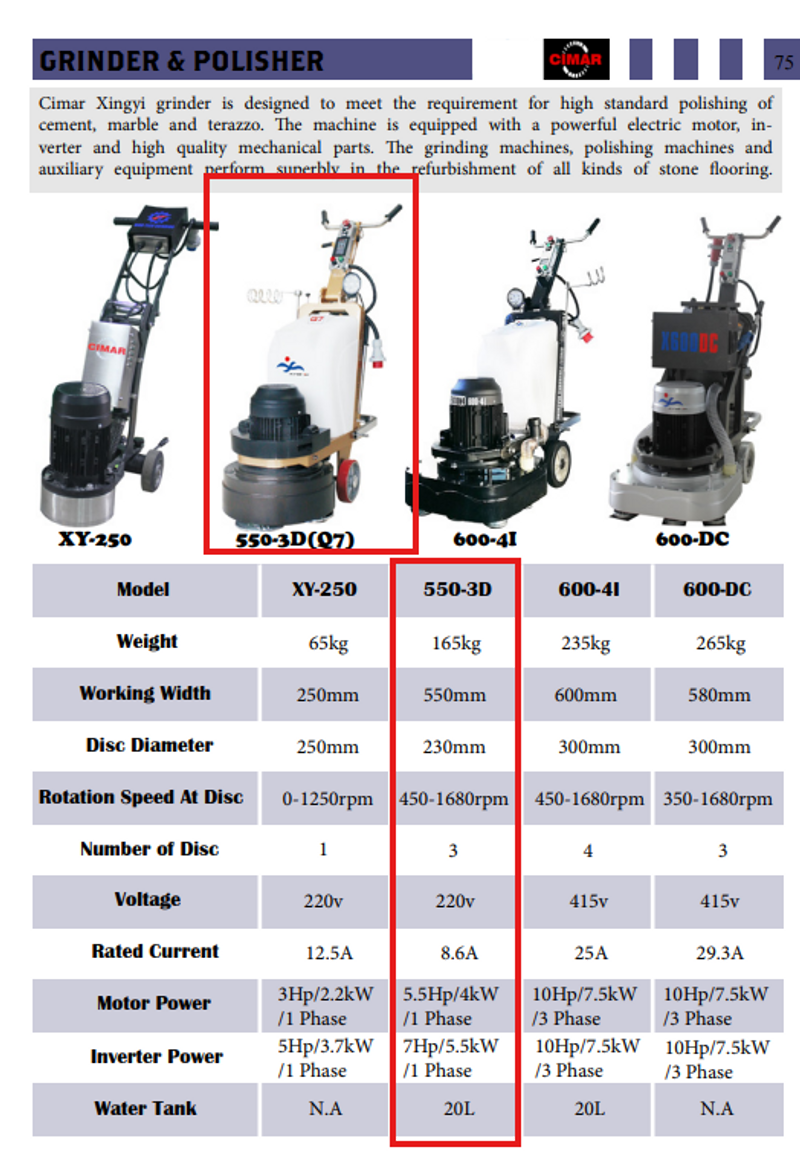
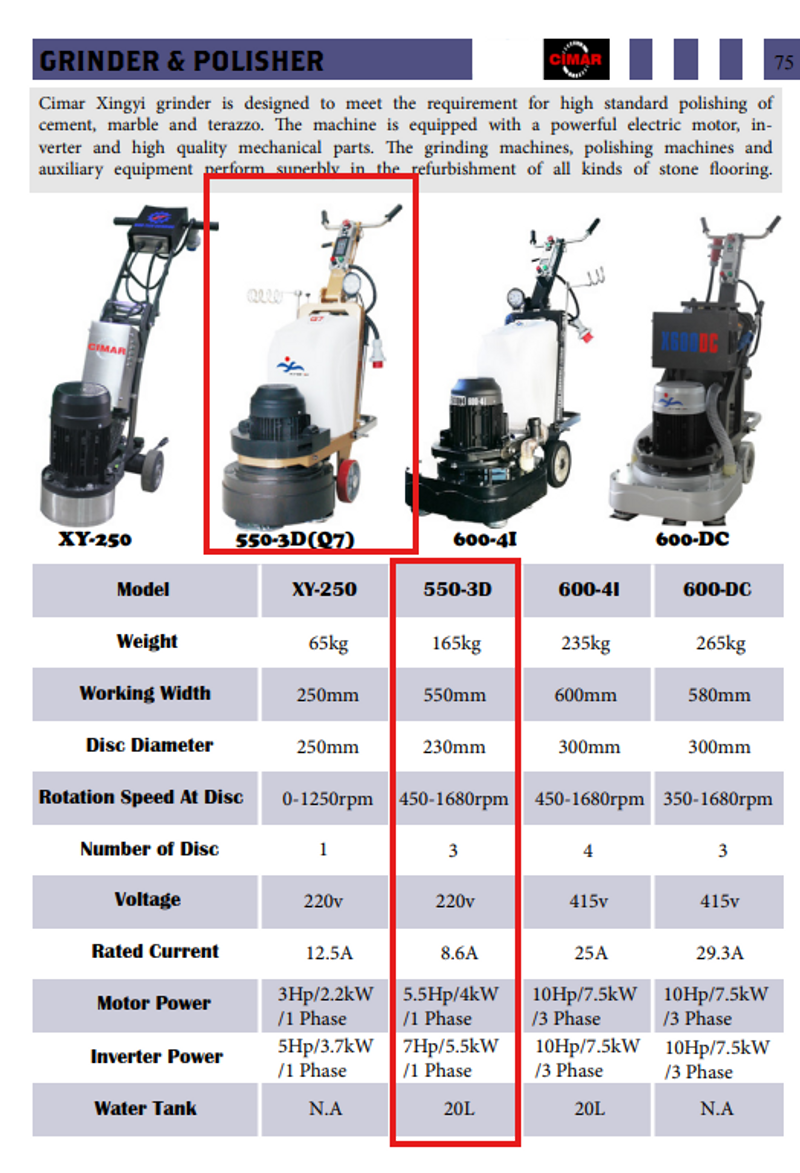
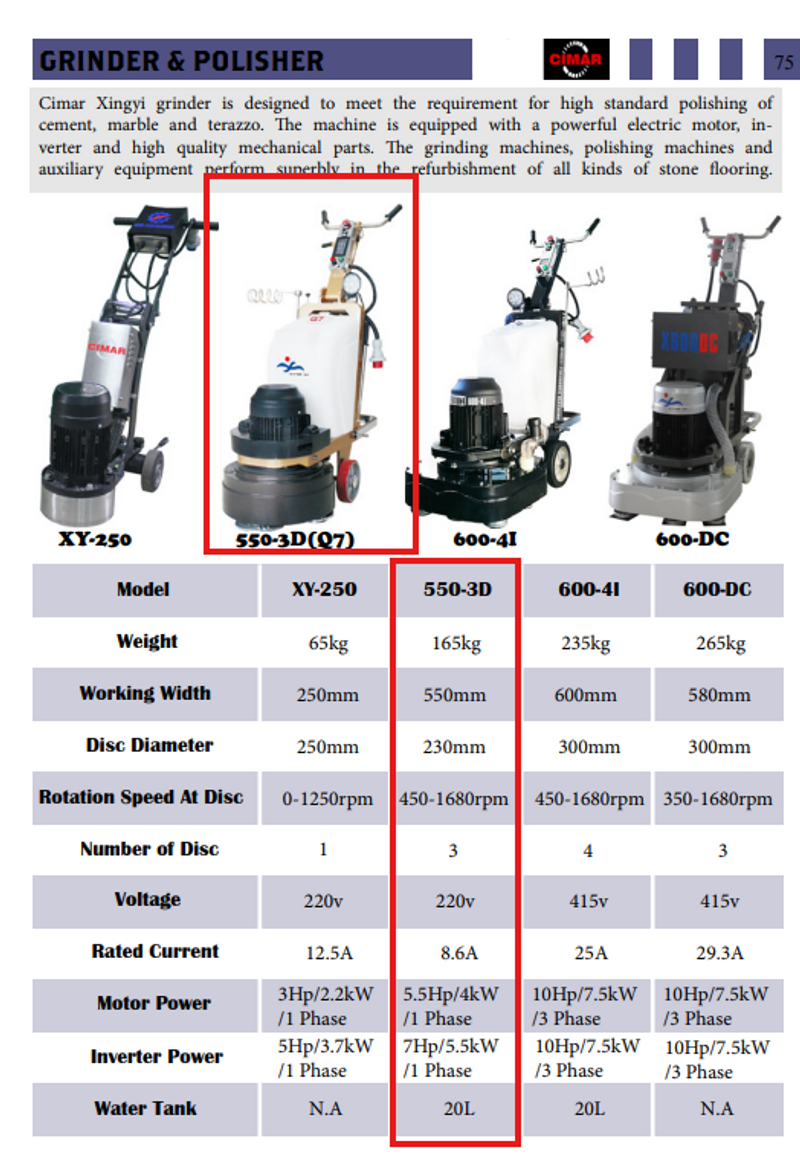
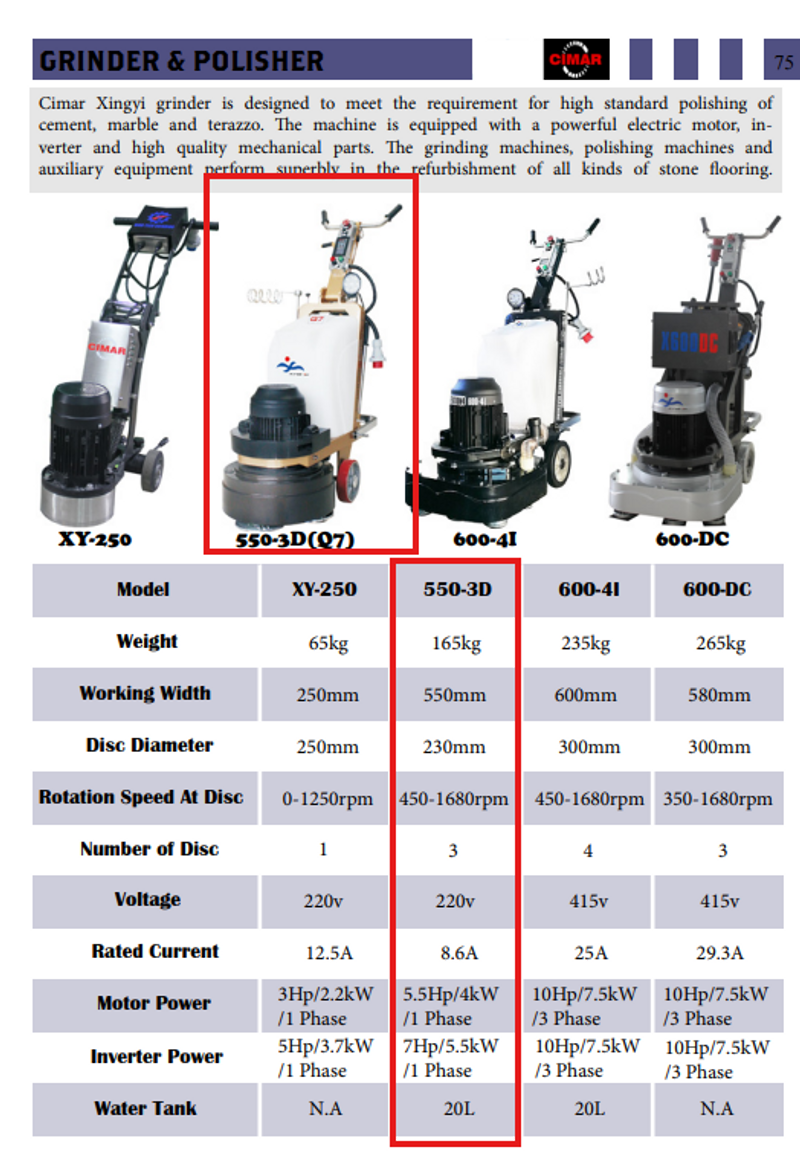
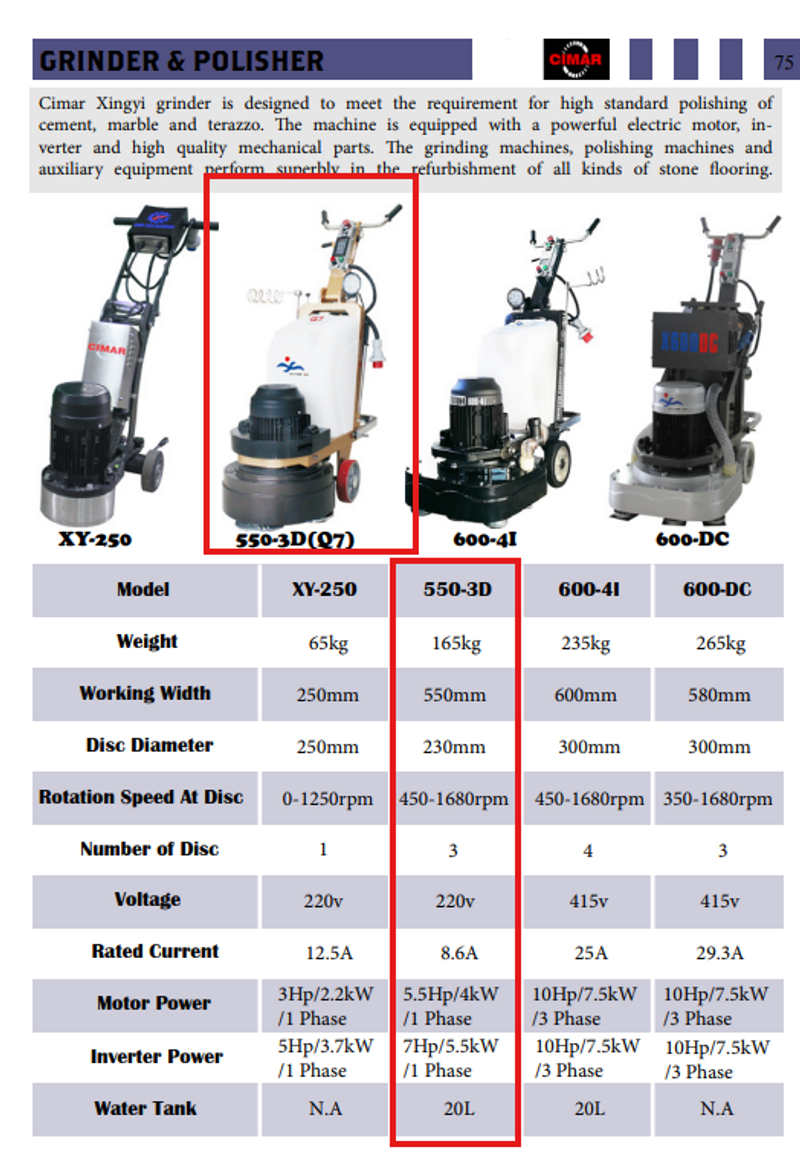
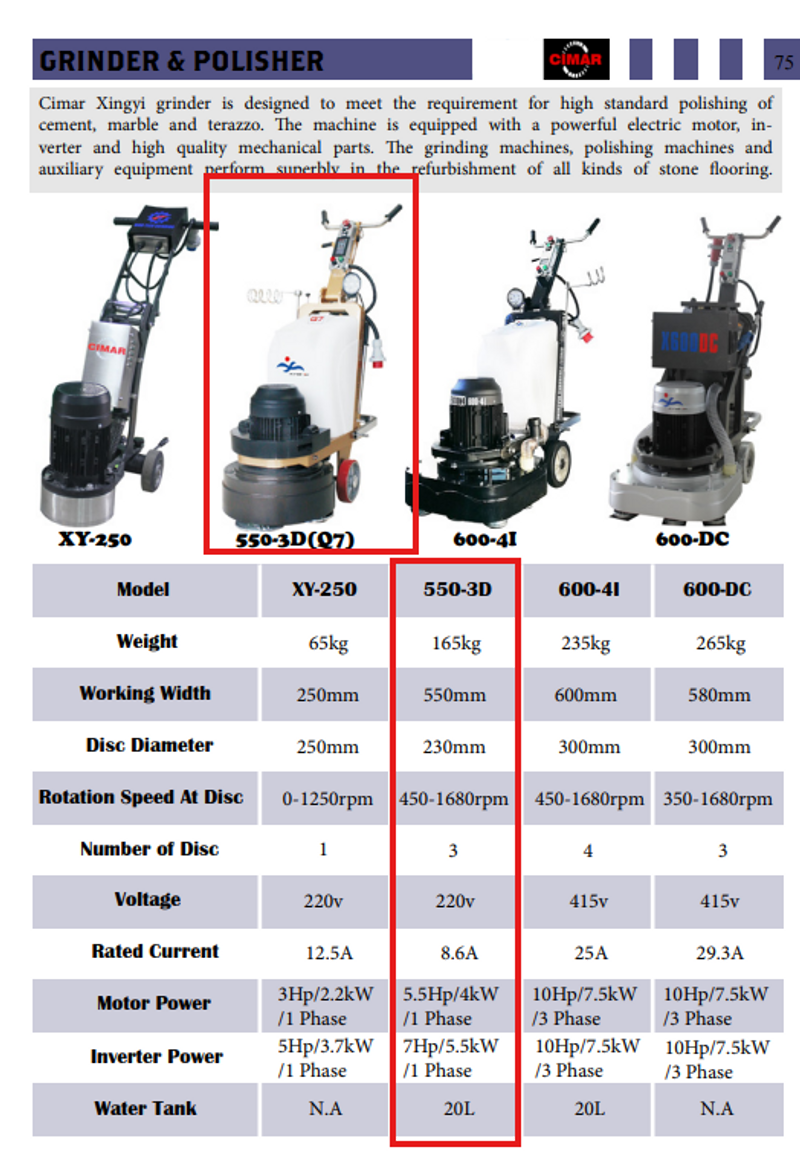
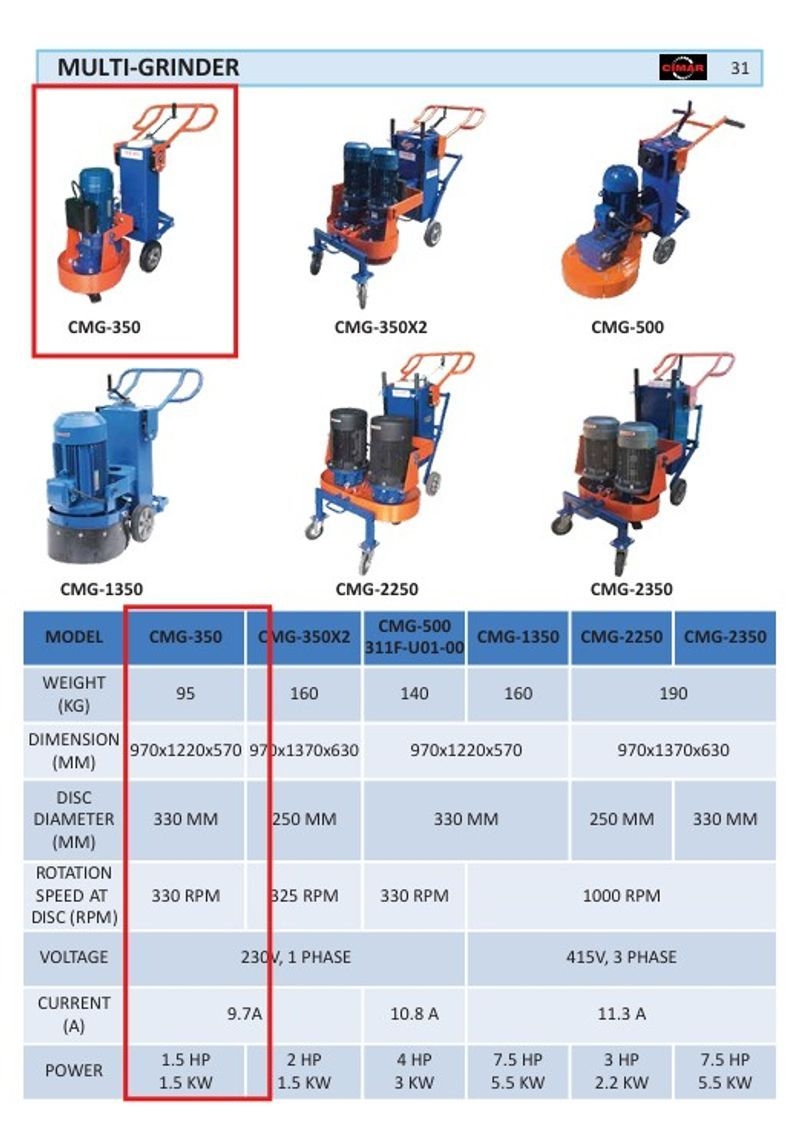
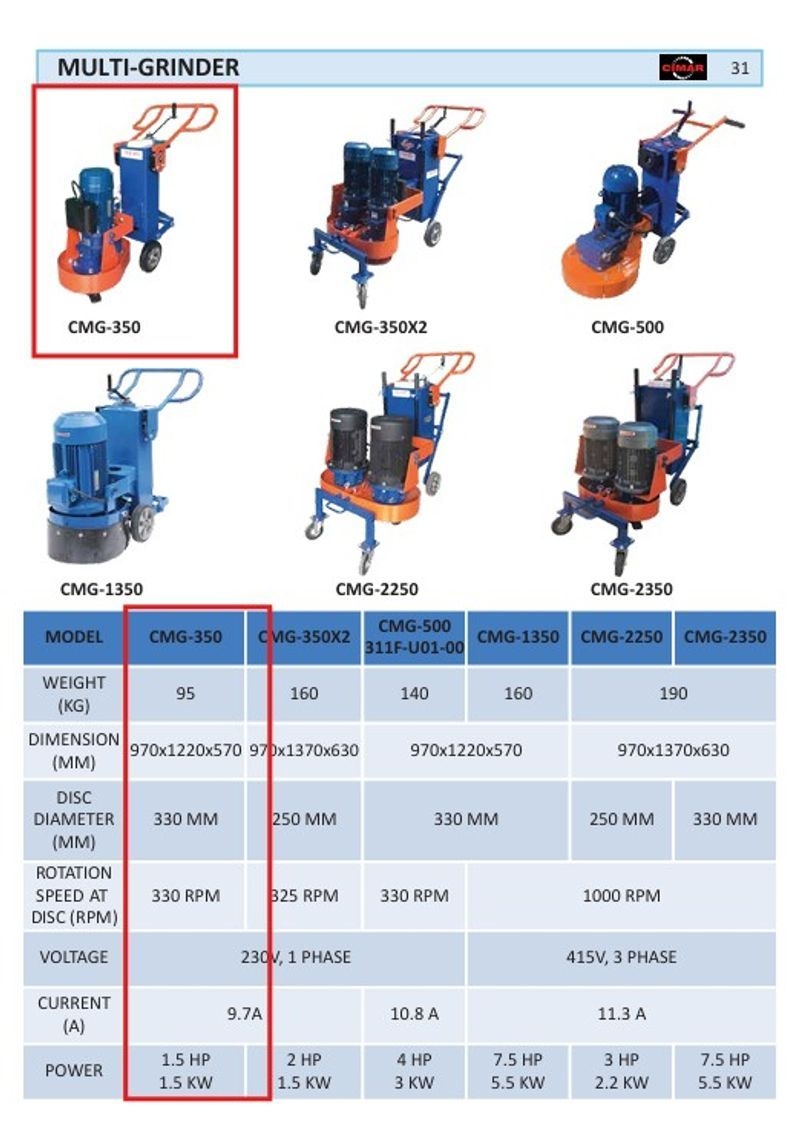
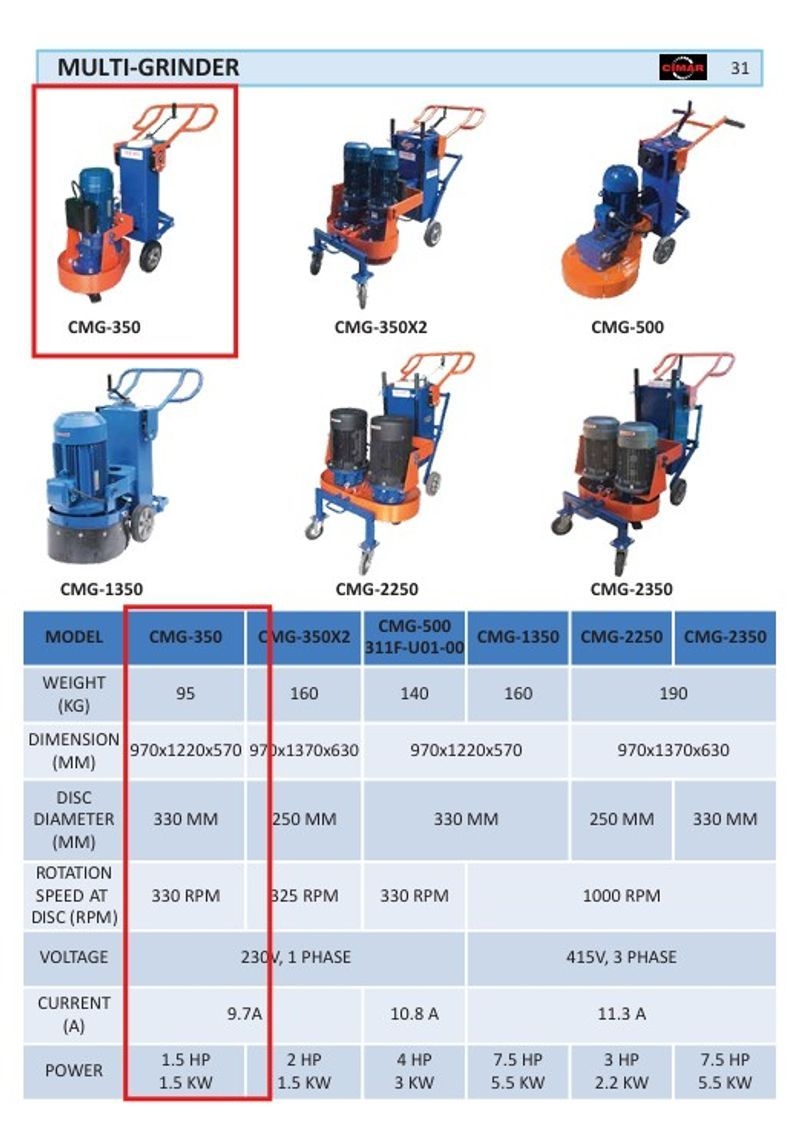
Disc Diameter : 278 mm
Hằng ngày
SGD727
Hàng tuần
SGD2,895
Hàng tháng
SGD7,816
Giao hàng hai chiều
Giá giao hàng có thể thay đổi do khoảng cách và các điều kiện khác
SGD 256
SGD7,816
/M
Giá Thuê (Thuế Riêng)

3.9/5
Đánh giá của Đối tác
Đánh giá sao được cung cấp để phản ánh chất lượng thiết bị của chủ sở hữu, thời gian phản hồi sự cố, tính đúng giờ trong giao hàng/lấy hàng và tính kịp thời trong giao tiếp.
Singapore Mainland
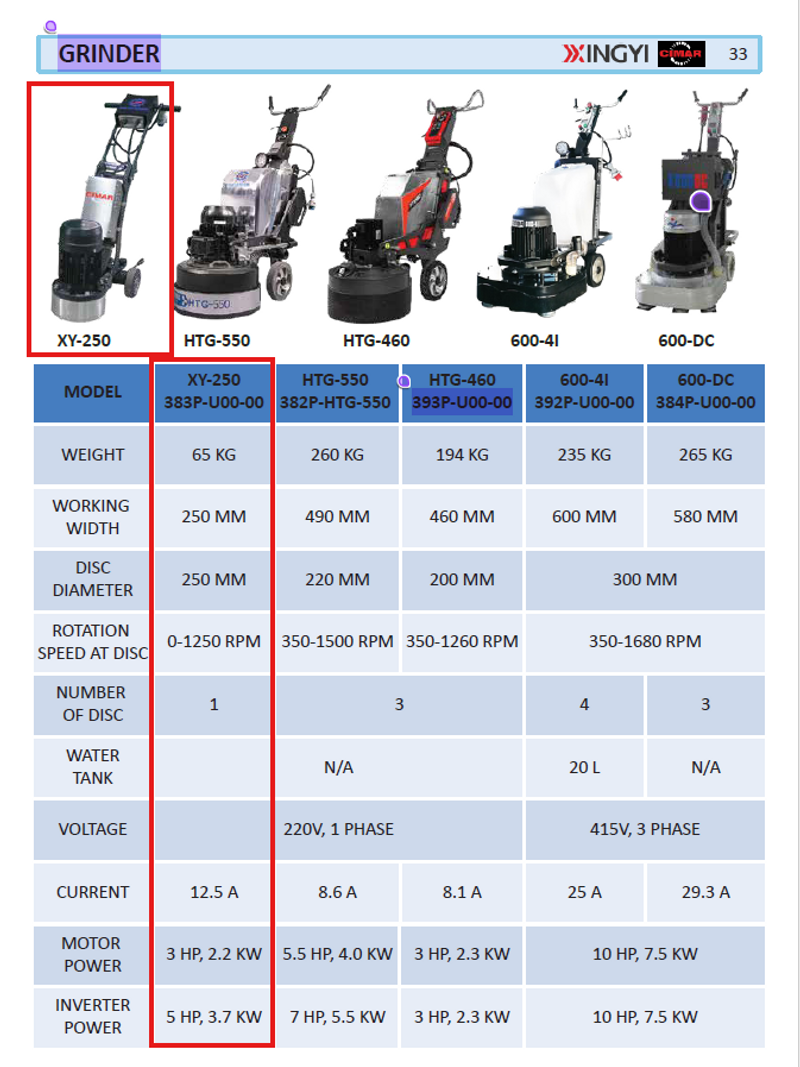
Disc Diameter : 250 mm
Hằng ngày
SGD122
Hàng tuần
SGD469
Hàng tháng
SGD1,264
Giao hàng hai chiều
Giá giao hàng có thể thay đổi do khoảng cách và các điều kiện khác
SGD 128
SGD1,264
/M
Giá Thuê (Thuế Riêng)
3.9/5
Đánh giá của Đối tác
Đánh giá sao được cung cấp để phản ánh chất lượng thiết bị của chủ sở hữu, thời gian phản hồi sự cố, tính đúng giờ trong giao hàng/lấy hàng và tính kịp thời trong giao tiếp.
Singapore Mainland
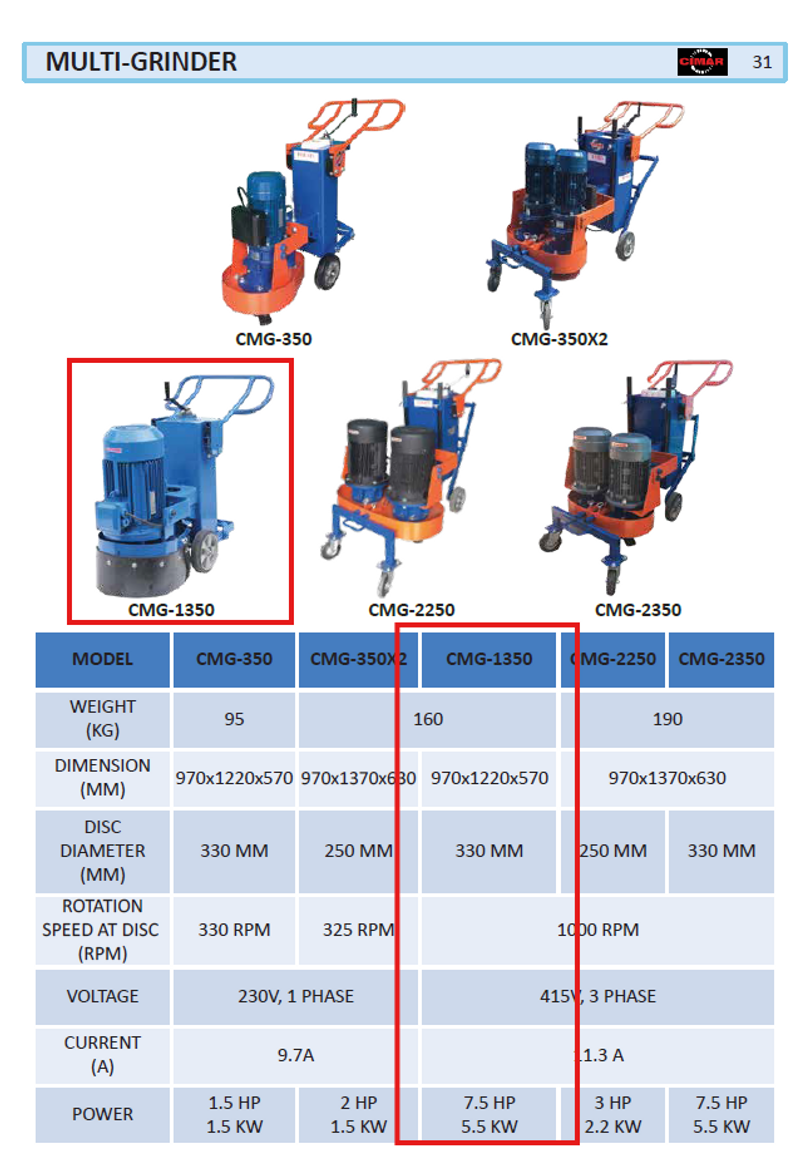
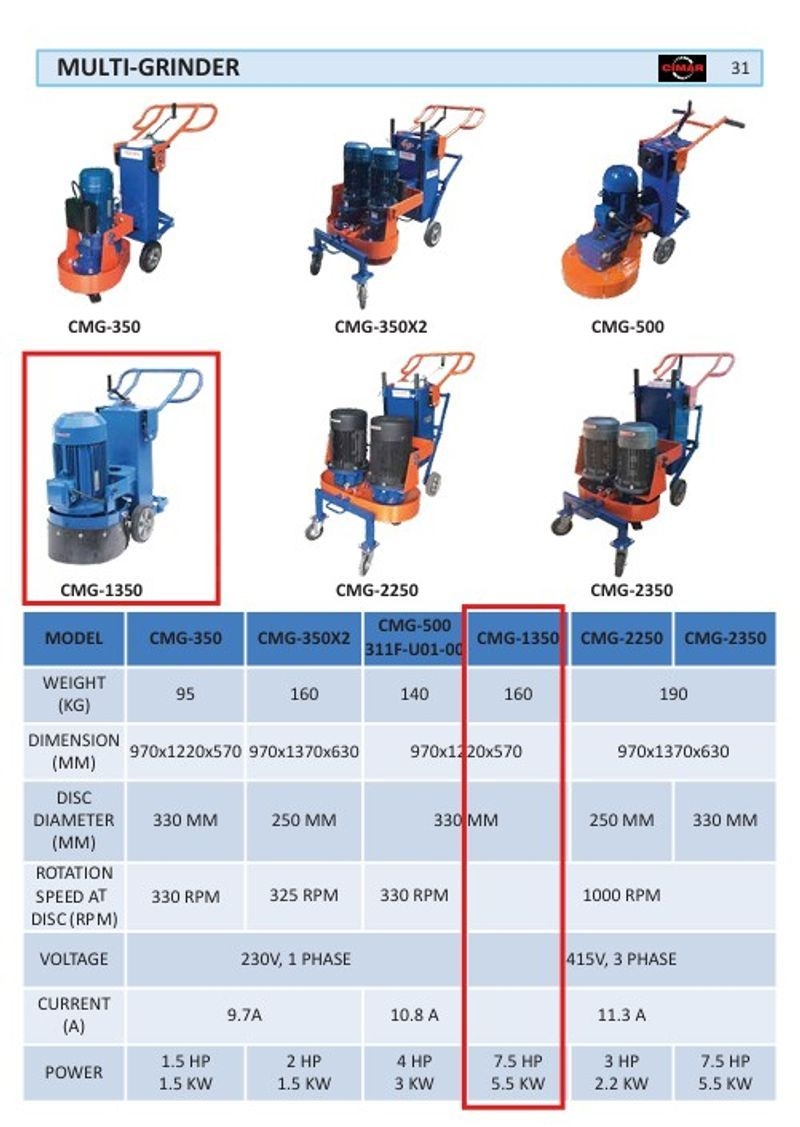
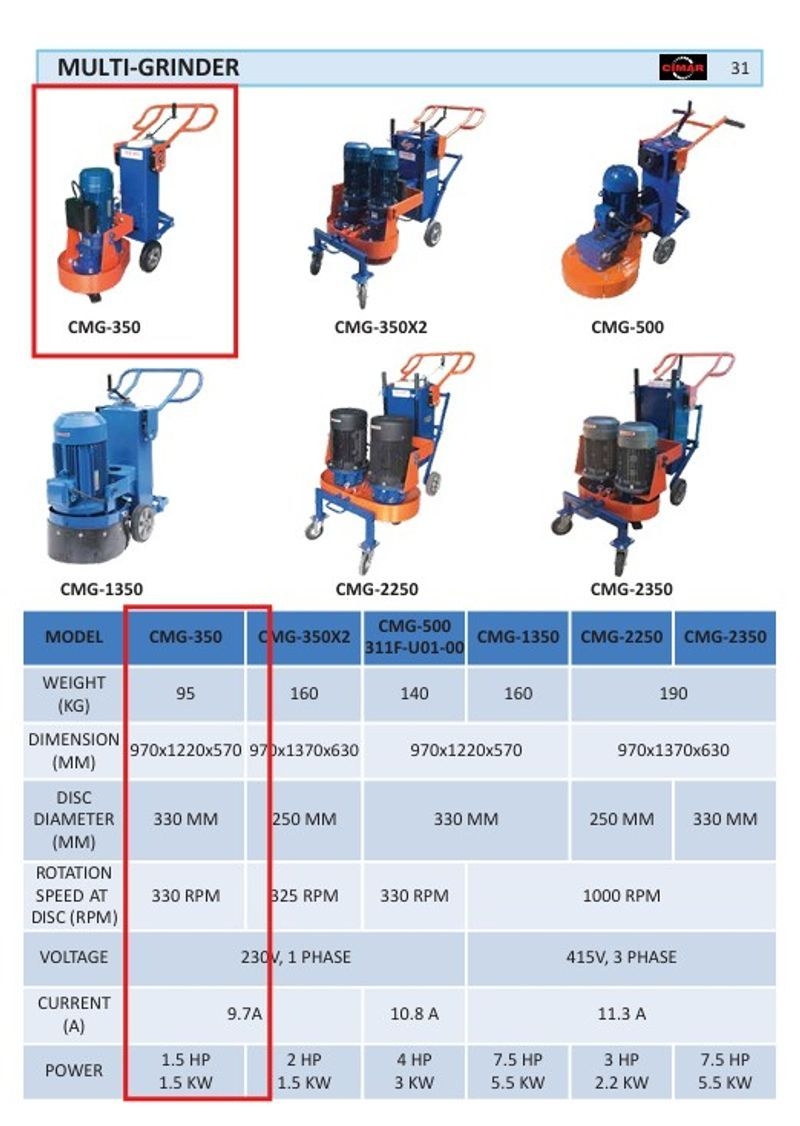
Disc Diameter : 330 mm
Hằng ngày
SGD116
Hàng tuần
SGD458
Hàng tháng
SGD1,232
Giao hàng hai chiều
Giá giao hàng có thể thay đổi do khoảng cách và các điều kiện khác
SGD 128
SGD1,232
/M
Giá Thuê (Thuế Riêng)
3.9/5
Đánh giá của Đối tác
Đánh giá sao được cung cấp để phản ánh chất lượng thiết bị của chủ sở hữu, thời gian phản hồi sự cố, tính đúng giờ trong giao hàng/lấy hàng và tính kịp thời trong giao tiếp.
Singapore Mainland
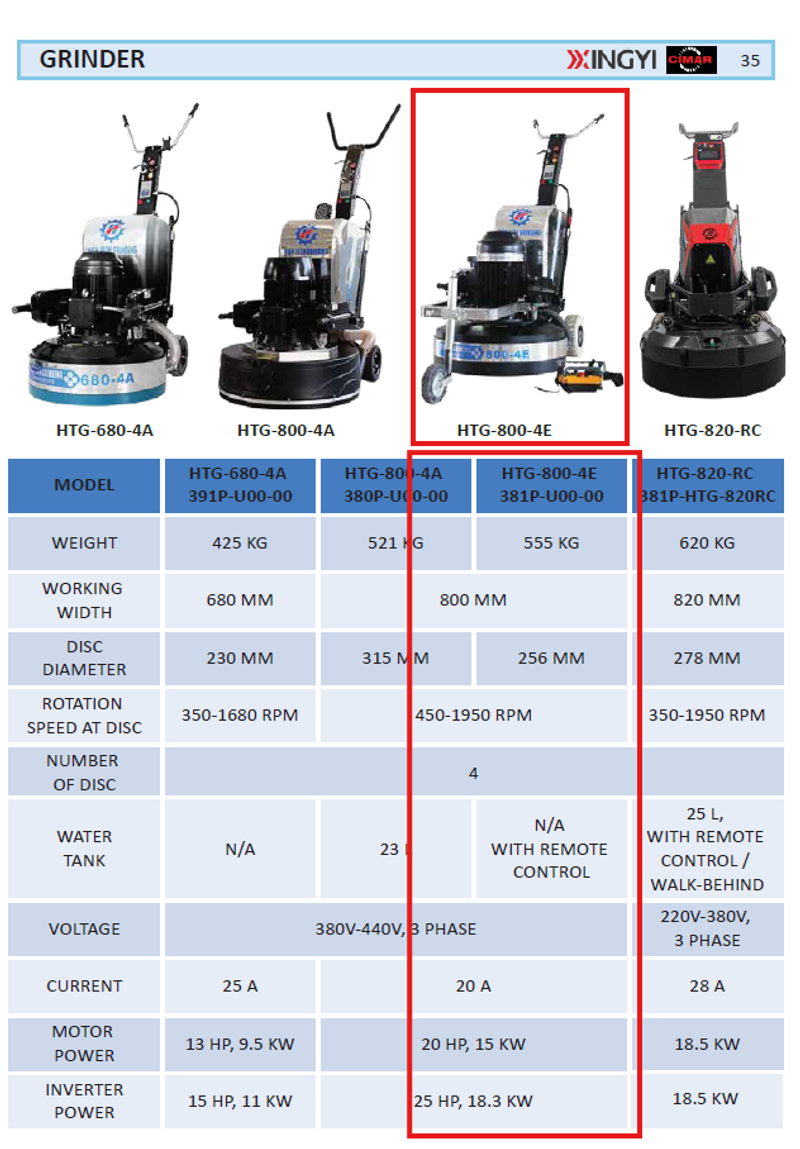
Disc Diameter : 300 mm
Hằng ngày
SGD685
Hàng tuần
SGD2,727
Hàng tháng
SGD7,353
Giao hàng hai chiều
Giá giao hàng có thể thay đổi do khoảng cách và các điều kiện khác
SGD 256
SGD7,353
/M
Giá Thuê (Thuế Riêng)
3.9/5
Đánh giá của Đối tác
Đánh giá sao được cung cấp để phản ánh chất lượng thiết bị của chủ sở hữu, thời gian phản hồi sự cố, tính đúng giờ trong giao hàng/lấy hàng và tính kịp thời trong giao tiếp.
Singapore Mainland
Disc Diameter : 230 mm
Hằng ngày
SGD174
Hàng tuần
SGD695
Hàng tháng
SGD1,869
Giao hàng hai chiều
Giá giao hàng có thể thay đổi do khoảng cách và các điều kiện khác
SGD 128
SGD1,869
/M
Giá Thuê (Thuế Riêng)
3.9/5
Đánh giá của Đối tác
Đánh giá sao được cung cấp để phản ánh chất lượng thiết bị của chủ sở hữu, thời gian phản hồi sự cố, tính đúng giờ trong giao hàng/lấy hàng và tính kịp thời trong giao tiếp.
Singapore Mainland
Disc Diameter : 230 mm
Hằng ngày
SGD174
Hàng tuần
SGD695
Hàng tháng
SGD1,869
Giao hàng hai chiều
Giá giao hàng có thể thay đổi do khoảng cách và các điều kiện khác
SGD 128
SGD1,869
/M
Giá Thuê (Thuế Riêng)
3.9/5
Đánh giá của Đối tác
Đánh giá sao được cung cấp để phản ánh chất lượng thiết bị của chủ sở hữu, thời gian phản hồi sự cố, tính đúng giờ trong giao hàng/lấy hàng và tính kịp thời trong giao tiếp.
Singapore Mainland
Disc Diameter : 230 mm
Hằng ngày
SGD174
Hàng tuần
SGD695
Hàng tháng
SGD1,869
Giao hàng hai chiều
Giá giao hàng có thể thay đổi do khoảng cách và các điều kiện khác
SGD 128
SGD1,869
/M
Giá Thuê (Thuế Riêng)
3.9/5
Đánh giá của Đối tác
Đánh giá sao được cung cấp để phản ánh chất lượng thiết bị của chủ sở hữu, thời gian phản hồi sự cố, tính đúng giờ trong giao hàng/lấy hàng và tính kịp thời trong giao tiếp.
Singapore Mainland
Disc Diameter : 230 mm
Hằng ngày
SGD174
Hàng tuần
SGD695
Hàng tháng
SGD1,869
Giao hàng hai chiều
Giá giao hàng có thể thay đổi do khoảng cách và các điều kiện khác
SGD 128
SGD1,869
/M
Giá Thuê (Thuế Riêng)
3.9/5
Đánh giá của Đối tác
Đánh giá sao được cung cấp để phản ánh chất lượng thiết bị của chủ sở hữu, thời gian phản hồi sự cố, tính đúng giờ trong giao hàng/lấy hàng và tính kịp thời trong giao tiếp.
Singapore Mainland
Disc Diameter : 230 mm
Hằng ngày
SGD174
Hàng tuần
SGD695
Hàng tháng
SGD1,869
Giao hàng hai chiều
Giá giao hàng có thể thay đổi do khoảng cách và các điều kiện khác
SGD 128
SGD1,869
/M
Giá Thuê (Thuế Riêng)
3.9/5
Đánh giá của Đối tác
Đánh giá sao được cung cấp để phản ánh chất lượng thiết bị của chủ sở hữu, thời gian phản hồi sự cố, tính đúng giờ trong giao hàng/lấy hàng và tính kịp thời trong giao tiếp.
Singapore Mainland
Disc Diameter : 230 mm
Hằng ngày
SGD174
Hàng tuần
SGD695
Hàng tháng
SGD1,869
Giao hàng hai chiều
Giá giao hàng có thể thay đổi do khoảng cách và các điều kiện khác
SGD 128
SGD1,869
/M
Giá Thuê (Thuế Riêng)
3.9/5
Đánh giá của Đối tác
Đánh giá sao được cung cấp để phản ánh chất lượng thiết bị của chủ sở hữu, thời gian phản hồi sự cố, tính đúng giờ trong giao hàng/lấy hàng và tính kịp thời trong giao tiếp.
Singapore Mainland
Disc Diameter : 330 mm
Hằng ngày
SGD116
Hàng tuần
SGD458
Hàng tháng
SGD1,232
Giao hàng hai chiều
Giá giao hàng có thể thay đổi do khoảng cách và các điều kiện khác
SGD 128
SGD1,232
/M
Giá Thuê (Thuế Riêng)
3.9/5
Đánh giá của Đối tác
Đánh giá sao được cung cấp để phản ánh chất lượng thiết bị của chủ sở hữu, thời gian phản hồi sự cố, tính đúng giờ trong giao hàng/lấy hàng và tính kịp thời trong giao tiếp.
Singapore Mainland
Disc Diameter : 330 mm
Hằng ngày
SGD95
Hàng tuần
SGD369
Hàng tháng
SGD985
Giao hàng hai chiều
Giá giao hàng có thể thay đổi do khoảng cách và các điều kiện khác
SGD 128
SGD985
/M
Giá Thuê (Thuế Riêng)
3.9/5
Đánh giá của Đối tác
Đánh giá sao được cung cấp để phản ánh chất lượng thiết bị của chủ sở hữu, thời gian phản hồi sự cố, tính đúng giờ trong giao hàng/lấy hàng và tính kịp thời trong giao tiếp.
Singapore Mainland
Disc Diameter : 330 mm
Hằng ngày
SGD95
Hàng tuần
SGD369
Hàng tháng
SGD985
Giao hàng hai chiều
Giá giao hàng có thể thay đổi do khoảng cách và các điều kiện khác
SGD 128
SGD985
/M
Giá Thuê (Thuế Riêng)
3.9/5
Đánh giá của Đối tác
Đánh giá sao được cung cấp để phản ánh chất lượng thiết bị của chủ sở hữu, thời gian phản hồi sự cố, tính đúng giờ trong giao hàng/lấy hàng và tính kịp thời trong giao tiếp.
Singapore Mainland
Disc Diameter : 330 mm
Hằng ngày
SGD95
Hàng tuần
SGD369
Hàng tháng
SGD985
Giao hàng hai chiều
Giá giao hàng có thể thay đổi do khoảng cách và các điều kiện khác
SGD 128
SGD985
/M
Giá Thuê (Thuế Riêng)
3.9/5
Đánh giá của Đối tác
Đánh giá sao được cung cấp để phản ánh chất lượng thiết bị của chủ sở hữu, thời gian phản hồi sự cố, tính đúng giờ trong giao hàng/lấy hàng và tính kịp thời trong giao tiếp.
Singapore Mainland
Disc Diameter : 330 mm
Hằng ngày
SGD95
Hàng tuần
SGD369
Hàng tháng
SGD985
Giao hàng hai chiều
Giá giao hàng có thể thay đổi do khoảng cách và các điều kiện khác
SGD 128
SGD985
/M
Giá Thuê (Thuế Riêng)
1
2
3
Khám phá Thêm Sản phẩm!
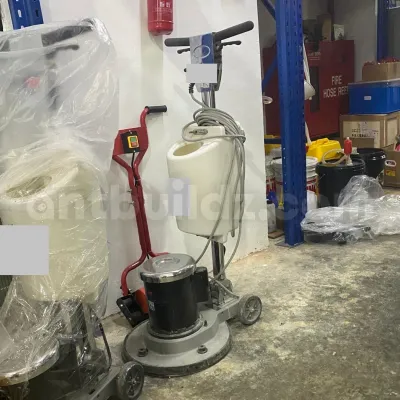
Về chúng tôi Floor Grinding Machine Without Vacuum :
A floor grinding machine without vacuum is a powerful surface preparation tool used to grind, level, and polish concrete, stone, or terrazzo floors. Unlike integrated systems with built-in dust extraction, this type of grinder requires an external vacuum or manual cleanup, making it a more cost-effective option for certain jobs.
It’s ideal for users who already have a dust management solution or for open-air environments where dust control is less critical. Key Features:
Whether you're a flooring contractor, builder, or renovator, choosing to rent or buy a non-vacuum floor grinder offers unique advantages depending on your needs:
Benefits of Renting:
Benefits of Buying:
A non-vacuum floor grinder gives you the freedom to customize your grinding and dust control setup while saving on initial equipment costs.
When selecting a floor grinder that doesn’t come with a built-in vacuum, consider the following to ensure it meets your performance needs:
33 Ubi Ave 3 #05-57 Singapore 408868Menara MBMR, 1 Jalan Syed Putra , 3-03a, 58000 KL , MalaysiaNền tảng đáng tin cậy, được bảo vệ bởi
© 2026 Antbuildz.com Pte Ltd Đã đăng ký Bản quyền
© 2026 Antbuildz.com Pte Ltd Đã đăng ký Bản quyền