








 33 Ubi Ave 3 #05-57 Singapore 408868
 Menara MBMR, 1 Jalan Syed Putra , 3-03a, 58000 KL , Malaysia











Trusted platform, secured by



© 2026 Antbuildz.com Pte Ltd All Rights Reserved
© 2026 Antbuildz.com Pte Ltd All Rights Reserved

Category


Location
Select Date
Select Date
Looking for a Long-Term Rental?
Compare and secure the most competitive rates for 6 months, 1 year, or even 2 years here!

CONTACT US
If your worksite is located in a restricted area or has special project requirements, please contact our hotline. Our team will assist you in selecting the most suitable equipment that meets your site’s specific needs.
If you are looking for long term rental more than 6 months, contact us for better rate.
TRUSTED PLATFORM POWERED BY

Official partner by Antbuildz.com
Your equipment rental will be covered by Antbuildz Equipment Rental Protection Insurance Up to S$30,000.


3.0/5
Partner's Rating
Star ratings are provided to reflect the owner’s equipment quality, breakdown respond time, delivery/collection punctuality and communication promptness.

Singapore Mainland
Daily
SGD2,750
Weekly
SGD2,750
Monthly
SGD2,750
Two-way Delivery
Our standard delivery and pickup service cover distances within 25km. For deliveries beyond this range or to any specialized locations such as military camp, airport, island or any location that require speical permit and arrangment, additional charges may apply.Self-pickup indicates that the equipment is only available for direct collection by the user. However, should you require delivery assistance, please don't hesitate to inform our Antbuildz team.If delivery price is indicated as zero cost, it signifies that our rental partner is covering the delivery expenses for your equipment rental.
SGD 200
SGD2,750
/M
Rental Price (Tax Exclusive)

3.0/5
Partner's Rating
Star ratings are provided to reflect the owner’s equipment quality, breakdown respond time, delivery/collection punctuality and communication promptness.
Singapore
Daily
SGD250
Weekly
SGD1,500
Monthly
SGD4,500
Two-way Delivery
Our standard delivery and pickup service cover distances within 25km. For deliveries beyond this range or to any specialized locations such as military camp, airport, island or any location that require speical permit and arrangment, additional charges may apply.Self-pickup indicates that the equipment is only available for direct collection by the user. However, should you require delivery assistance, please don't hesitate to inform our Antbuildz team.If delivery price is indicated as zero cost, it signifies that our rental partner is covering the delivery expenses for your equipment rental.
SGD 200
SGD4,500
/M
Rental Price (Tax Exclusive)
Explore More Items!
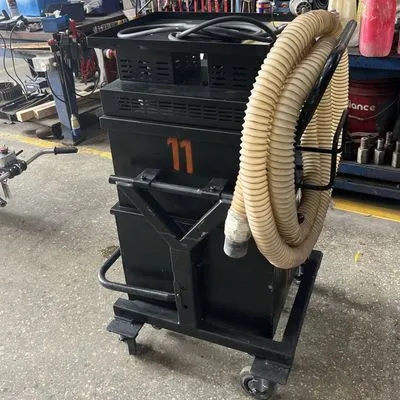
About Microprocessor Controlled Power Supply :
A microprocessor controlled power supply is an advanced electrical device that uses an embedded microprocessor to precisely regulate and monitor output voltage and current. Unlike conventional power supplies, it offers programmable control, automated diagnostics, and real-time feedback, making it ideal for industrial automation, welding systems, laboratory testing, and precision electronics manufacturing.
These units are widely used where high accuracy, repeatability, and safety are required—such as in orbital welding, semiconductor fabrication, battery charging, and R&D environments. Key Features:
Whether you’re running a precision welding application or managing a lab setup, a microprocessor-controlled power supply delivers the accuracy and control that modern processes demand.
Benefits of Renting:
Benefits of Buying:
When selecting a microprocessor controlled power supply, consider your voltage/current needs, application type, and integration requirements.
33 Ubi Ave 3 #05-57 Singapore 408868Menara MBMR, 1 Jalan Syed Putra , 3-03a, 58000 KL , MalaysiaTrusted platform, secured by
© 2026 Antbuildz.com Pte Ltd All Rights Reserved
© 2026 Antbuildz.com Pte Ltd All Rights Reserved