1. What is a Pump?
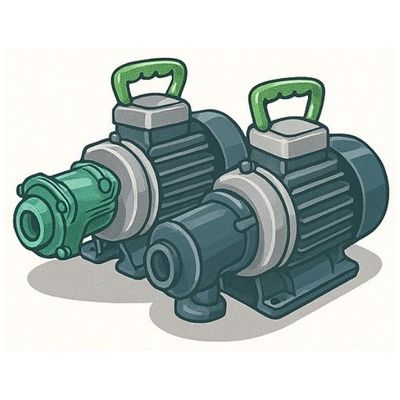
A pump is a mechanical device used to move fluids (liquids or gases) from one location to another by mechanical action. Pumps are used across various industries—from construction, agriculture, oil & gas, to HVAC systems and wastewater treatment. They come in many types, including centrifugal pumps, diaphragm pumps, submersible pumps, gear pumps, and more—each suited to specific flow rates, pressure levels, and fluid types.
2. Why Buy a Pump?
Efficient, Reliable, and Essential – Pumps Power Every Industry
A pump is a critical component in a wide range of industries, including construction, agriculture, manufacturing, water treatment, and oil & gas. Whether you're moving water, chemicals, fuel, or sludge, a high-quality pump ensures safe and efficient fluid handling.
Here's why investing in a pump is a smart move:
- Reliable Fluid Transfer:
Pumps ensure consistent, high-performance fluid movement in even the most demanding environments. - Wide Range of Applications:
Ideal for dewatering, irrigation, sewage handling, fuel transfer, chemical dosing, HVAC systems, and more. - Increased Operational Efficiency:
Reduces manual labor, speeds up processes, and enhances overall productivity. - Energy Efficiency:
Modern pump systems are designed to minimize power consumption while maximizing output. - Improved Safety:
Helps manage hazardous or high-pressure fluids safely with minimal human intervention. - Customizable Solutions:
Available in various sizes, capacities, and materials to match specific flow rates, viscosities, and chemical compatibilities.
3. How to Choose a Pump During Purchase?
Crucial Factors to Consider When Selecting the Right Pump
Choosing the right pump involves understanding your operational requirements and matching them with the pump's technical specifications.
Here’s what to look for:
- Type of Fluid:
Determine the nature of the fluid (clean water, chemicals, oil, slurry, etc.) and its viscosity, temperature, and corrosiveness. - Flow Rate & Head Pressure:
Calculate the required flow rate (L/min or m³/h) and head height (in meters or feet) to ensure the pump delivers as needed. - Pump Type:
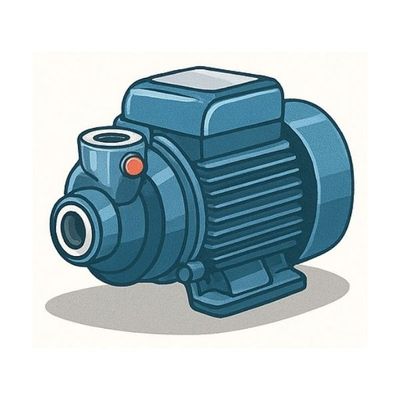
Select the appropriate type:- Centrifugal Pumps – for water and light fluids
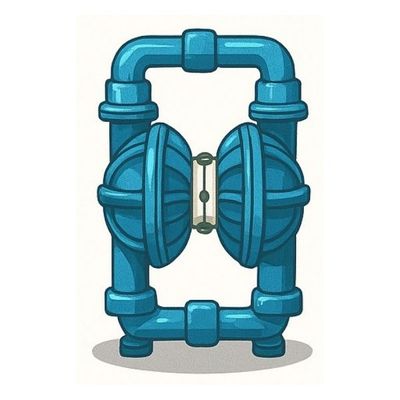
- Diaphragm Pumps – for chemicals and abrasive fluids
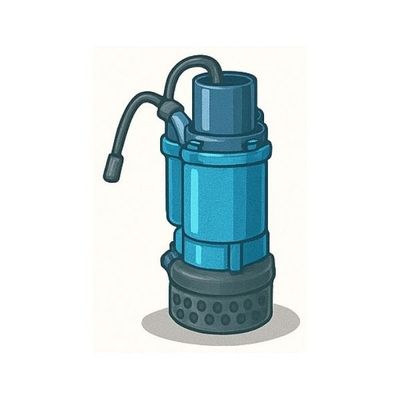
- Submersible Pumps – for dewatering and drainage
- Gear or Rotary Pumps – for oils and viscous liquids
- Peristaltic or Dosing Pumps – for precision fluid delivery
- Power Source:
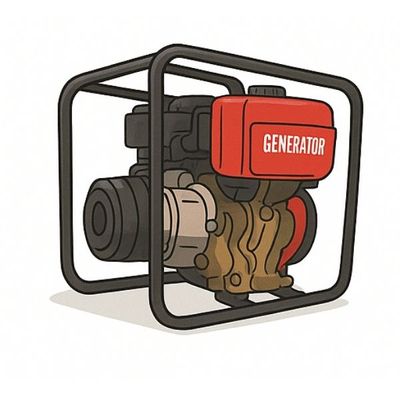
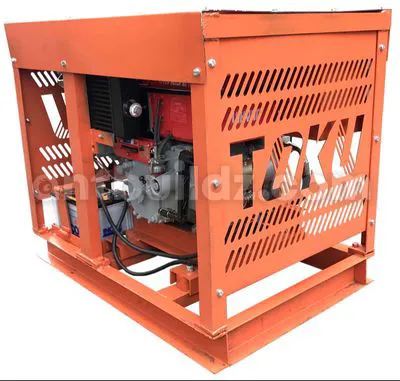
Choose between electric, diesel, gasoline, pneumatic, or hydraulic-powered pumps depending on your site conditions and mobility needs. - Material Compatibility:
Ensure pump materials (e.g., stainless steel, cast iron, plastic) are resistant to the chemicals or fluids being handled. - Portability & Size:
Consider whether you need a stationary or mobile pump, especially for construction or field applications. - Ease of Maintenance:
Go for designs that allow easy access for service and repair to minimize downtime. - Safety Features:
Look for pressure relief valves, dry-run protection, and overload sensors. - Warranty & Support:
Buy from trusted brands that provide after-sales support, spare parts, and technical assistance.
A pump is more than a machine—it's the heart of your fluid system. Whether you’re irrigating fields, draining floodwater, or transferring chemicals, the right pump will make your operation smoother, faster, and safer.














 33 Ubi Ave 3 #05-57 Singapore 408868
 Menara MBMR, 1 Jalan Syed Putra , 3-03a, 58000 KL , Malaysia